
Try Sprouting for Optimum Nourishment
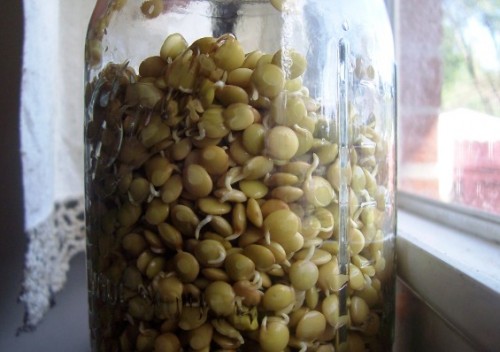
For the longest time I was intimidated by the idea of sprouting. I bought bean sprouts and broccoli sprouts in the store, but never tried my hand at it at home. It turns out it is actually very easy, frugal and has loads of nutritional benefits.
The thing I sprout the most are the legumes that we normally eat – pintos, black beans, lentils, and garbanzo beans. So today I will share with you my experience with sprouting beans. Grains and seeds are also more nourishing when sprouted.
You can sprout, dehydrate and grind grains for baking. You can also purchase flour from sprouted grains. In fact you can find sprouted grain flours here.
Sprout broccoli, radish, fenugreek and other seeds for salads, sandwiches and snacks. They are also super nutritious.
Benefits of Sprouting
From my own experience and some research these are the benefits of sprouting:
- Easier digestibility. Beans are known for their gas-causing effects, but when we sprout our beans before cooking they seem to digest much easier without the *ahem* side effects. One exception thus far is pinto beans, which I need to do some more experimenting with.
- Increased vitamins & minerals. This link has an interesting chart (you’ll have to scroll down) comparing the nutrients in dried mung beans with their sprouts.
- Increased protein content. The same link above sights a 30% increase in protein availability from dried to sprouted mung beans. It is my understanding that all legumes have an increased protein availability when sprouted.
- Decreased carbohydrate content. This is important for anyone who struggles with blood sugar issues. The added protein and decreased carbohydrates are helpful in maintaining consistent energy.
Plus it takes very little time – a couple of minutes per day maybe.
How To Sprout Beans
The equipment needed for sprouting anything is pretty basic. I use quart jars and these sprout screens with canning rings.
- I first soak them for 8-12 hours in about 3-4 times as much water.
- Then I drain them off and rinse and drain them again.
- I then tilt them upside down at an angle so that the water can drain off until the next rinsing. I just use a wide soup bowl with a 1-2 inch rim.
- Every 8-12 hours I rinse and drain them again. Because of the 8-12 hour rule I like to start them either in the morning or evening, to ensure that I am awake when they need to be tended to.
- Then I simply wait for the sprouts to appear, continuing to rinse every 8-12 hours. Generally I don’t let them sprout beyond 1/4 inch.
- Once they have sprouted, allow them to finish draining and store them in the refrigerator up to a week.
If you’re looking for more specific directions for each legume this is a great resource.
Cooking with Sprouted Beans
You almost always want to cook your sprouted beans instead of eating them raw. I have yet to find much of a difference in flavor between sprouted and unsprouted beans. In fact I almost always use sprouted beans when a recipe calls for regular cooked or canned beans.
Here are a few recipes that I like to use sprouted beans in:
- Bean bowls.
- Sprouted Garbanzo Burgers. To make these grain free I sub almond flour for the breadcrumbs.
- Lentil Salad.
- Chili. I use sprouted pintos, black beans or lentils for a tomato-based chili.
- Green Chicken Chili. A great alternative to the tomato-based chili. Simply use sprouted white beans instead of unsprouted.
What about you… do you sprout? Have you discovered the health benefits? Have any great recipes to share with us?
This post is a contribution to Fight Back Friday.
Thanks for sharing this post. I tried sprouting many years ago with a “sprouting mix” – bad idea. It didn’t sprout uniformly and I ended up with a big mess, which turned me off of sprouting. BUT – I’m feeling adventurous again, and I succeeded at kombucha, so maybe this time sprouts will go better, too.
I’ve read a lot about sprouting but never done it. This inspires me to give it a try! Thanks!
Sprouting is on my to-do list for this winter. I think sprouted seeds will make my winter salads a treat but I might just take your advice and start with beans. Thanks!
I just sprouted some mung beans for the first time. Now I’m wondering what to do with them! Never used mung beans before. Any ideas on recipes?
Thank you for the great info! I added the link to my favorites so I could check it out. I have just started reading about sprouting beans so I am excited to read!
Any reason for always cooking them? I know there are some sanitary concerns, but I enjoy most of mine raw. I love just snacking on raw sprouted garbanzos.
Great tackle!
I am going to try this!!! Thanks for telling me how.
What an informative tackle!! I had never heard of this before! Thanks for the information:-)
I need to get some sprouts started, thanks for the reminder. I should make it a point to sprout my dry beans, too – it’s so easy and only takes a few more days forethought, which when you’re meal planning well, shouldn’t be an issue. Good reminders!!
Katie
I want to make the slow cooker pinto beans (I thought the photo made them look yummy!) and plan to follow your directions for sprouting. I want to start tonight, I have the jars and screens, my only confusion is that you say you use a wide soup bowl with a rim. Do you mean you place the jar upside down in it?
Thanks! Joelle
Joelle – Yes, I use the rimmed bowl to place them upside down in.
Hi Thanks for the post! I use plastic canvas cut into mason jar lid size for draining my jars. It works great.
I am interested in making different flours with my sprouted beans. Do you think I should cook them after I sprout them, then dry them and grind them? Or should I just sprout and dry and grind? I am thinking about the digestability of the uncooked grains. I love the book Nourishing Traditions and I want to make the bean flour (as well as grain flours) as healthy as possible. I would love your thoughts on the matter….Thanks!!!
My Mum used to sprout seeds, and it is something I’ve thought about on and off, so I’m grateful for this post as a reminder to start doing it!
I too have always been a little weary of sprouting but I really think this would help me digest them better as I’ve always had a problem with them. I will definitely give this a try soon – thanks for the inspiration.
Thanks for the article. I’ve been sprouting my own salad sprouting mixes from sproutpeople, but haven’t attempted beans yet…now I will!
I have just started sprouting.. doesn’t eating them raw mean you get the maximum nutrition? cooking reduces and/or erases the nutritional value.
Thoughts?
Tara, I also sprouted mung beans this week and wasn’t sure what I was going to do with them, I don’t digest them well raw. What I ended up doing was making a vegetarian chili and used the mung beans instead of kidney beans or black beans. My husband and I both liked it better. The recipe also called for quinoa and we liked that better than the bulgar I’ve used in the past. I made it in the slow cooker and added the soaked quinoa when the beans were cooked. Quinoa only takes 10 or 15 minutes to cook.
We forgot about some beans that we were soaking, and I drained them and left them in the colander… now they’ve sprouted and I decided to do a search to see if we could eat them, and found your site. I’ll cook them today, and maybe next time will actually sprout the beans on purpose! Thanks for the information.
“One exception thus far is pinto beans, which I need to do some more experimenting with.”
– What are your conclusions on the best way to prepare and cook pinto beans? Thanks so much!
I assume the initial bean soaking takes place on the counter top and not in the refrigerator. Is there an optimum temperature for this process? I’m wondering if my home is too warm. I live in Phoenix and as a cost-saving measure during the summer I set the house temp to 81ºF while I’m not home. Has anyone had success at this temperature?
Thanks!
I realize this is an old post but hope you still check comments! I was wondering when you store the sprouted beans in the fridge do you add water or store them as is?
Thanks for this post it is one of the most useful on sprouting I have found and for some reason I have grown intolerant to beans and want to try sprouting so hopefully I can eat beans again. I love them!
SunOrganic Farm is a good source for certified Organic seeds, grains and beans.
http://www.SunOrganic.com
I don’t understand the 3rd step, about draining them at an angle until the next rinsing? Thanks!